When most employees hear the term “performance improvement plan,” they immediately assume the worst. But what is a PIP, really? And can it actually be a tool for growth rather than a precursor to termination? The answer might surprise you, and at Pivotal Solutions, we’ve seen firsthand how the right approach can turn things around.
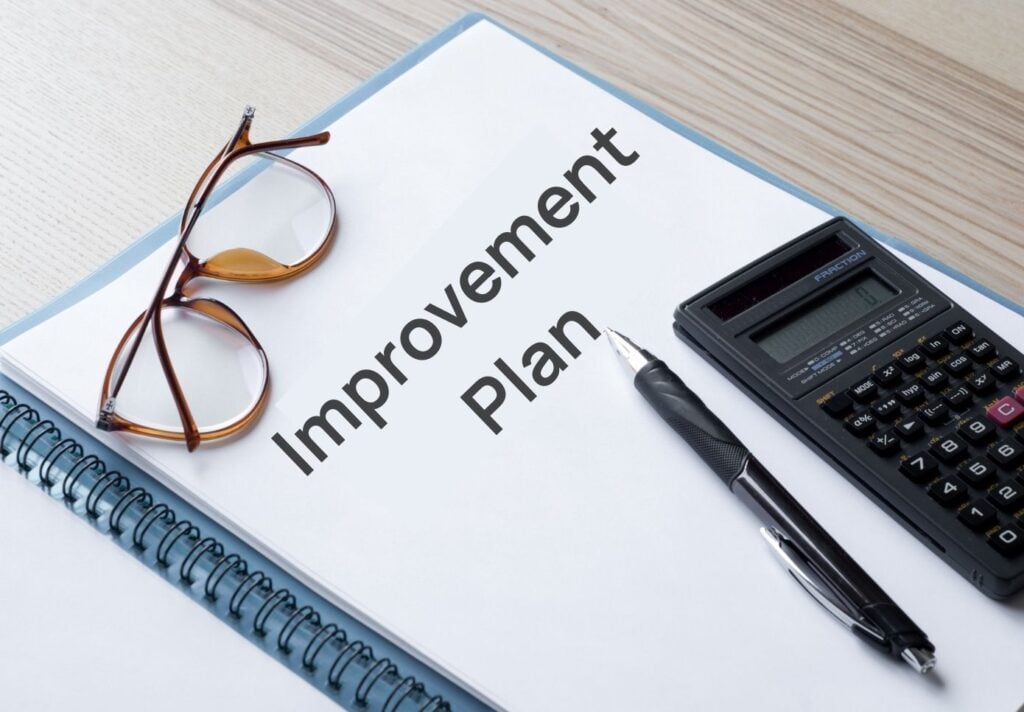
A performance improvement plan, commonly referred to as a PIP, is a formal document that outlines specific areas where an employee’s performance is falling short, along with clear steps and timelines for improvement. While it’s often viewed as a last resort before letting someone go, the team at Pivotal Solutions knows that a well-executed PIP can be a powerful tool for turning struggling employees into successful people who contribute meaningfully to your organization.
Understanding the Purpose of a PIP
So, what is a PIP designed to accomplish? At its core, a performance improvement plan is meant to create clarity. It identifies the gap between where an employee currently stands and where they need to be. It also provides a roadmap for closing that gap, complete with measurable goals, deadlines, and support resources.
When used correctly, a PIP isn’t a punishment, it’s an investment. It tells the employee that the company sees potential in them and is willing to put in the effort to help them succeed. Pivotal Solutions encourages employers to view PIPs not as exit strategies, but as retention strategies. For many workers, this structured support is exactly what they need to get back on track.
Successful people often credit moments of constructive feedback and accountability as turning points in their careers. A performance improvement plan can serve as that turning point if approached with the right mindset from both the employer and the employee. At Pivotal Solutions, we help organizations create that mindset shift.
The Role of a Professional Employer Organization
Managing performance improvement plans and other HR processes can be overwhelming, especially for small to mid-sized businesses without a dedicated human resources team. This is where a professional employer organization can make a significant difference, and where Pivotal Solutions can step in as your trusted partner.
A professional employer organization, or PEO, is a company that partners with businesses to handle HR responsibilities such as payroll, benefits administration, compliance, and employee performance management. By working with a professional employer organization like those Pivotal Solutions connects you with, business owners can access expertise and resources that would otherwise be out of reach.
When it comes to PIPs, a professional employer organization can help ensure that the process is handled fairly, legally, and effectively. Pivotal Solutions works alongside businesses to provide guidance, coach managers through difficult conversations, and help document everything properly to protect both the employee and the company. This level of support is invaluable for businesses that want to give their employees a real chance to improve without exposing themselves to unnecessary risk.
Turning Struggling Employees Into Successful People
Here’s the reality: not every employee on a PIP will turn things around. But many will, especially when given the right tools and support. The goal of any performance improvement plan should be to create successful people, not to build a paper trail for termination. Pivotal Solutions believes that every employee deserves a genuine opportunity to grow.
What do successful people have in common? They receive clear expectations, regular feedback, and the resources they need to grow. A thoughtful PIP provides all three. Instead of leaving an employee to guess what they’re doing wrong, it spells out exactly what needs to change and how to change it.
Managers play a critical role here. A PIP should never be a “gotcha” moment. It should be a collaborative process where the employee feels supported rather than set up to fail. Pivotal Solutions trains leaders to approach these conversations with empathy and clarity. Regular check-ins, honest conversations, and genuine encouragement can make the difference between an employee who checks out and one who rises to the occasion.
Best Practices for Implementing a PIP
If you’re considering putting an employee on a performance improvement plan, Pivotal Solutions recommends keeping these best practices in mind. First, be specific. Vague feedback helps no one. Clearly outline what success looks like and how it will be measured.
Second, set realistic timelines. Most PIPs last between 30 and 90 days, depending on the complexity of the issues being addressed. Give the employee enough time to demonstrate real change without dragging the process out indefinitely.
Third, offer support. Whether it’s additional training, mentorship, or access to a professional employer organization’s resource, make sure the employee has what they need to succeed. Pivotal Solutions can help you identify the right resources for your team.
Finally, document everything. Keep records of all meetings, feedback, and progress updates. This protects everyone involved and ensures accountability on both sides. When you partner with Pivotal Solutions, we help you build systems that make documentation simple and consistent.
So, what is a PIP? It’s a tool. Like any tool, its effectiveness depends on how it’s used. When approached with intention and care, a performance improvement plan can transform underperforming employees into successful people who contribute to a thriving workplace. And with the support of a professional employer organization and a knowledgeable partner like Pivotal Solutions, businesses of any size can implement PIPs that are fair, compliant, and genuinely helpful.
Ready to build a stronger team? Pivotal Solutions is here to help you create performance management strategies that work. Reach out today to learn more.