The Canada-U.S. trade relationship has entered one of its most turbulent periods in decades. Since February 2025, Canadian businesses have faced an ongoing cycle of tariff threats, implementations, retaliations, and partial pauses that has created sustained economic uncertainty with no clear end in sight. While the U.S. Supreme Court ruled this week that the President’s use of emergency powers to impose tariffs was invalid, the current administration has signaled its intent to pursue tariffs through other legal authorities — meaning the threat is far from over.
The impact on Canadian organizations has been real and significant. Tariffs on steel, aluminum, and automobiles remain in effect, Canadian exports to the U.S. have fallen sharply, and businesses across virtually every sector have had to rethink their workforce planning, supplier relationships, and cost structures. The Canadian government has introduced support programs to help businesses and workers weather the disruption, such as work-sharing or EI measures, but the road ahead remains uncertain.
What is certain is that Canadian organizations can no longer afford to take a passive, wait-and-see approach. The past year has proven that costly and destabilizing tariffs can be mandated at the stroke of a pen and enacted in a matter of days. Building resilience — while actively supporting an increasingly anxious workforce — is no longer optional. It is essential.
To help Canadian organizations move towards these critical objectives, employment and labour law firm Hicks Morley recommends the following strategies:
- Communicate openly and honestly with employees.
Naturally, employers do not want to stoke fears and worries across the workforce, and make an already stressful situation even more difficult to handle. Yet, they must not withhold concerns and plans, or
“sugarcoat” bad news. Keeping employees in the loop and empowering them to help determine and direct the organization’s strategies and responses can boost morale and foster a collaborative culture.
- Review and (if necessary) update employment agreements.
Organizations should make it a top priority to add or update clauses in employee agreements pertaining to temporary layoffs, terminations, and/or reduced hours in cases of significant economic hardship caused by tariffs (or by similar market disruptions). Organizations should also ensure that employment and vendor contracts include provisions to address unforeseen delivery or economic impacts caused by tariffs.
- Communicate with trade unions.
Organizations with a unionized workforce should maintain ongoing communication with trade union leadership, in order for all parties to understand the business realities of tariffs and dialogue about employee concerns.
- Focus on cross-training and flexible workforce models.
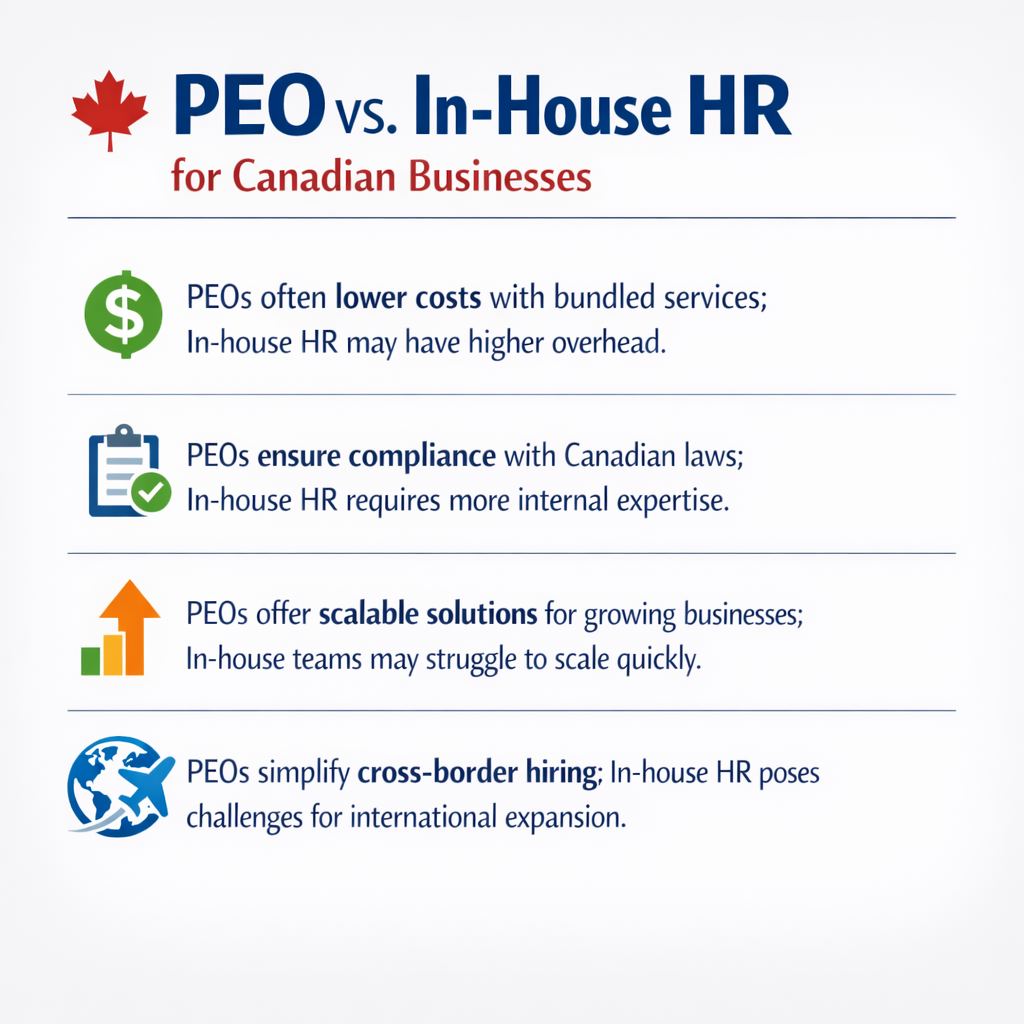
Organizations should focus on developing cross-functional training programs, which can help employees quickly and effectively adapt to changing roles and business priorities. It is also smart to assess different flexible workforce models that can help organizations effectively manage fluctuations in demand, such as outsourcing, PEO employees, and contingent workers.
- Get leaner and more efficient.
While “doing more with less” is always a smart strategy, the threat of tariffs has turned this from a best practice into a practical necessity. Organizations should therefore explore viable ways to increase efficiency, improve productivity, and reduce costs. In some cases, implementing new technologies can help organizations stay competitive and reduce some of the economic pressures triggered by tariffs (and the ongoing threat of tariffs).
- Engage with industry groups and watch for programs.
Organizations should connect with trade associations and industry groups, since they will be actively communicating with and lobbying the Canadian government.
- Watch for government programs.
The Canadian government, as well as Premiers in different provinces, have said that businesses and workers would require “COVID-like” financial support in order to mitigate some of the economic impact of tariffs. Details were not provided, but there seems to be a consensus across the political spectrum that, unless governments at all levels step in, the adverse consequences could be immense and even unprecedented. Organizations should monitor government websites (and other sources) to learn what programs may be available to them, and if so, how and when to apply.
The bottom line
Even if the current tariff pause becomes permanent — and an overwhelming majority of business, political, and labour leaders on both sides of the border hope it will — the threat of tariffs will not completely disappear. Canadian organizations must accept this heightened and ongoing risk, so that they can understand, address, and manage it accordingly.
For many organizations in Canada, the next several years could present multiple tariff-related challenges and issues affecting all aspects of HR, from hiring and retention to compliance and legal. Partnering with PIVOTAL during this difficult and uncertain time is a smart, strategic, and safe way forward. We have been supporting Canadian organizations for more than 40 years, and are one of the country’s most experienced and reputable HR management firms.